Yes, OTC crypto trading is a legitimate way to move size when you use a reputable OTC desk, an RFQ tool, or an eOTC venue tied to a known exchange or broker. The risk is not the OTC model itself. The risk is how you access it and who you are actually dealing with.
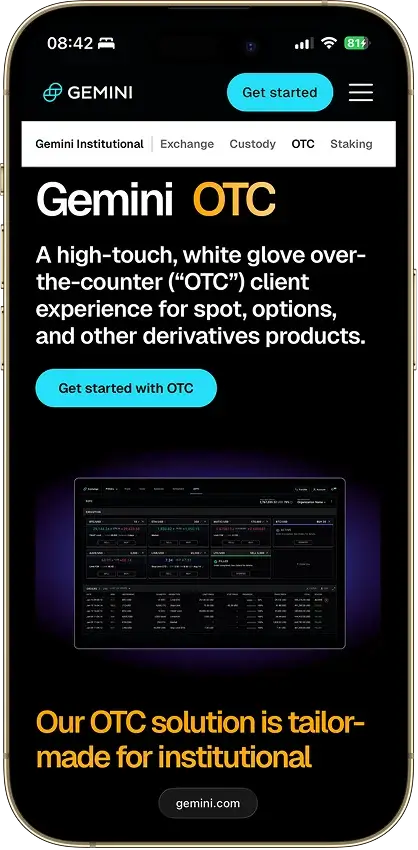
The simplest safety rule is to start from official channels. Use the exchange’s verified domain, in-app support links, and published institutional pages to find the desk. Avoid “VIP broker” messages on Telegram, WhatsApp, or X DMs. Impersonation is one of the most common ways traders get pulled into off-platform transfers.
A legitimate desk is also transparent about who operates it and how onboarding works. Expect KYC or KYB for higher sizes, along with routine compliance checks. It’s normal to be asked for ID and, for entities, corporate documents. It is not normal to be asked for a seed phrase, private keys, or to send funds to a personal wallet.
Finally, focus on settlement hygiene and confirmations. Real OTC desks provide clear settlement instructions, trade receipts, and predictable steps from quote to execution. If a counterparty cannot explain how funds move, who holds them, and what confirmation you receive, treat that as a red flag.
Crypto OTC Trading Platform Legit Checklist
- Verified domain and official desk channel — Start from the exchange site, help center, or in-app contact paths.
- Legal entity is disclosed — Operator name, jurisdiction, and desk pages are easy to find.
- Onboarding is documented — KYC or KYB requirements are spelled out, not negotiated in DMs.
- Pricing model is clear — You understand whether the quote is all-in and what spread or fees are embedded.
- Settlement instructions are explicit — Bank beneficiary details or wallet instructions are consistent and match your account name.
- Region and client eligibility is stated — The desk tells you who can access it and from where.
- No off-platform shortcuts — No requests to wire to personal accounts, send to unknown wallets, or share sensitive credentials.