Best Crypto Exchanges in the USA (March 2026)

Compare the best crypto exchanges in the USA for 2026, understand state-by-state access and funding options, and choose a platform with clearer fees, stronger security, and the right tools for your needs.

Updated Mar. 19, 2026
Reviews in this list 7
Trusted Reviews Editorially curated & independently checked
Curated by Yousra Anwar Ahmed
Since Feb 2026 36 reviews
Checked by George Ong
Since Mar 2018 88 fact-checks
Affiliate Disclosure

Disclaimer: CryptoSlate may receive a commission when you click links on our site and make a purchase or complete an action with a third party. This does not influence our editorial independence, reviews, or ratings, and we always aim to provide accurate, transparent information to our readers.

Choosing a crypto exchange in the United States isn’t only about “which one is popular.” State availability and product access can differ, and features like staking, advanced order types, margin, or derivatives may be limited depending on where you live.

This guide compares crypto exchanges in the USA — the crypto trading platforms in the USA that U.S. residents can actually open and fund. We also cover how you can fund and cash out, how pricing works, what trading tools and product lines are accessible to U.S. users. We’ll also cover leverage, futures, options, and no‑KYC topics later — through a U.S. lens and with the caveats U.S. traders should know.

Rank
Name
Rating
Offer
Products
Secure link
Rank 1
9.1
Pro‑grade platform with low maker–taker fees
Spot, Margin, Futures or Perps, OTC, Simple-buy Broker
Rank 2
8.6
Deep USD liquidity and easy bank rails
Spot, Futures or Perps, OTC, Simple-buy Broker
Rank 3
8.3
Referral bonus up to $25 in CRO
Spot, Margin, Futures or Perps, Options, OTC, Simple-buy Broker
Rank 4
8.2
Longest‑running exchange (since 2011)
Spot, Futures or Perps, OTC
Rank 5
7.9
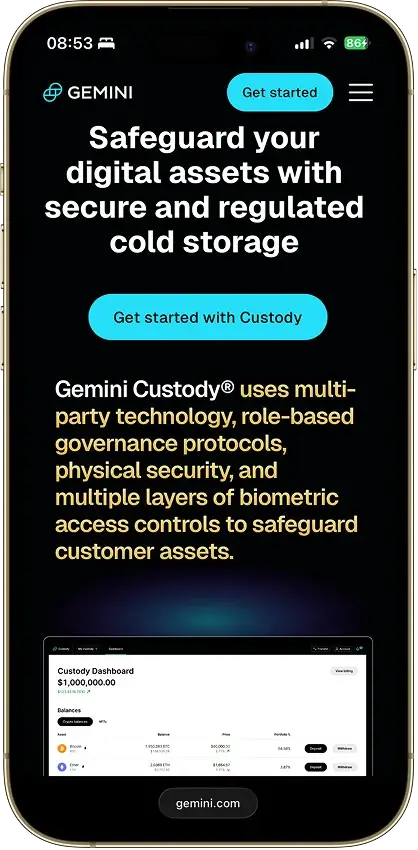
Security-first exchange with full-reserve custody
Spot, Futures or Perps, OTC, Simple-buy Broker
Rank 6
7.6
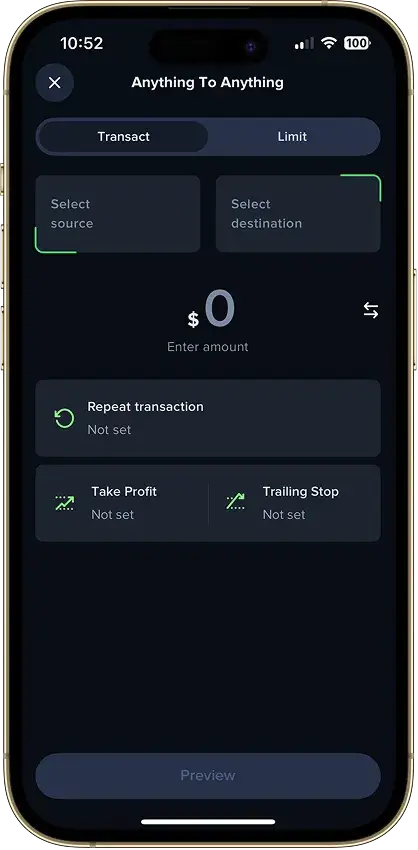
Anything-to-anything swaps across crypto, fiat and metals
Spot, OTC, Simple-buy Broker
Rank 7
7.5
One app, multiple markets
Spot, Futures or Perps, OTC, Simple-buy Broker

Exact access can still vary by state and by product line (spot vs staking vs margin/derivatives), so always confirm eligibility on the exchange’s official availability page before depositing.

If you are looking for a top 10 list the USA, note that we currently rank the seven exchanges we cover on CryptoSlate and list additional U.S.-available options below to add once reviews are live.

  • Binance.US — U.S.-focused venue with state-dependent availability and product limitations
  • Fidelity Crypto — U.S.-only access where supported; broker-style experience and narrower feature set
  • Pionex.US — U.S.-available where supported; state coverage and features vary

Across U.S. crypto exchanges, the differences that matter most usually aren’t “can you buy crypto?” — they’re state coverage, USD funding/cash‑out rails, pricing transparency, and account security controls. Many platforms offer both an instant/simple buy flow and an advanced trading interface, and the pricing can be very different: instant buys often carry higher spreads or bundled fees, while advanced trading (where available) tends to be cheaper for frequent traders.

The right choice depends on how you’ll use the exchange. If you’re mainly buying and holding, prioritize trusted custody practices, withdrawal controls, and clean banking rails. If you trade more actively, focus on order types, fee schedules, liquidity, and uptime. And if you primarily trade on your phone, app reliability and funding clarity can matter more than the longest feature list. In all cases, confirm your state eligibility and whether the specific product you want (staking, margin, derivatives) is actually available to U.S. residents.

Use this table to compare the shortlist quickly. Because U.S. access can be state- and product-dependent, treat every “Yes” as “Yes, where eligible.”


Comparison Table

NameCustodyProductsStakingTrading fees (low)Trading fees (high)
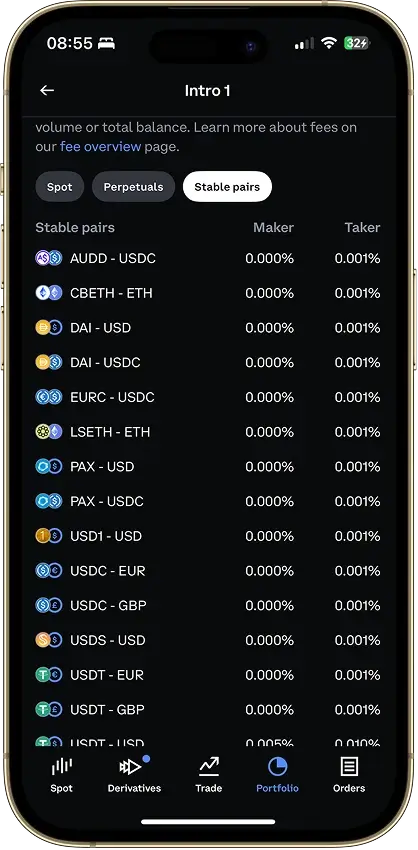
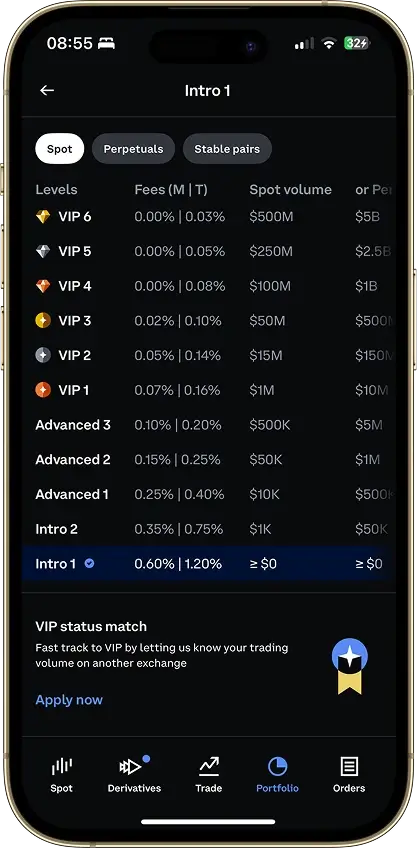
Kraken 500 Spot, Margin, Futures or Perps, OTC, Simple-buy Broker Yes 0.00 0.40
Coinbase 270 Spot, Futures or Perps, OTC, Simple-buy Broker Yes 0.00 0.60
Crypto.com 438 Spot, Margin, Futures or Perps, Options, OTC, Simple-buy Broker Yes 0.00 0.50
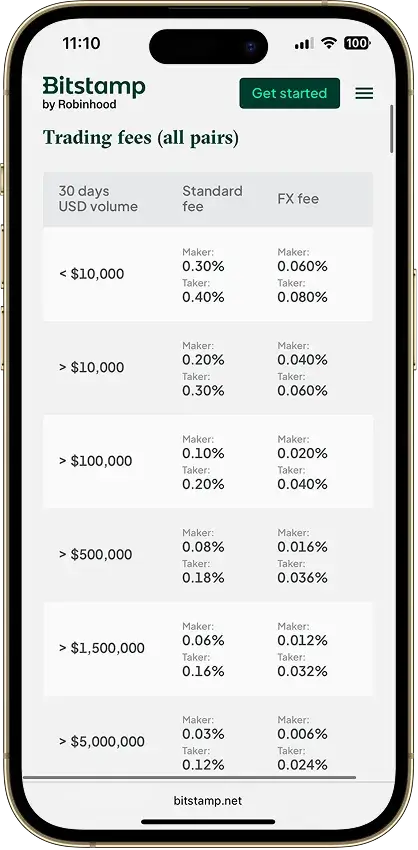
Bitstamp 107 Spot, Futures or Perps, OTC Yes 0.00 0.40
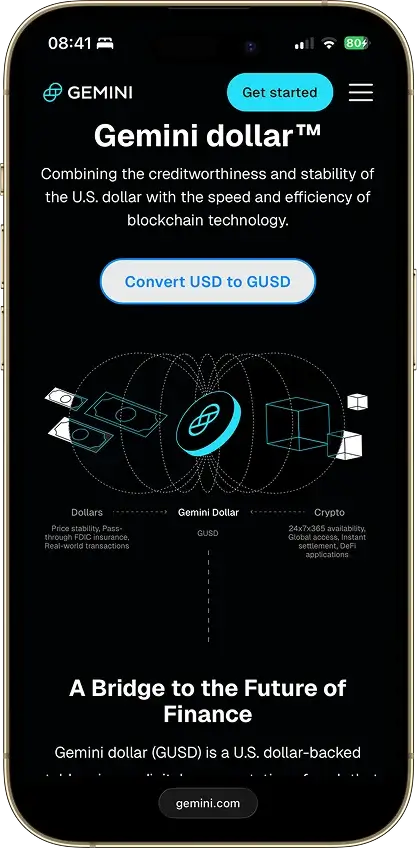
Gemini 80 Spot, Futures or Perps, OTC, Simple-buy Broker Yes 0.00 0.40
Uphold 360 Spot, OTC, Simple-buy Broker Yes 0.25 2.95
Robinhood 25 Spot, Futures or Perps, OTC, Simple-buy Broker Yes 0.00 0.85

Most U.S. users end up choosing between (1) a platform with broad access and clean banking rails and (2) a more trader-focused interface with clearer fee schedules and order tools. In this shortlist, the first few picks tend to cover the most common U.S. needs, while the later picks can be a better match if you prioritize a specific workflow (app ecosystem, brokerage-style UX, or quick conversions). Don’t default to the biggest name — costs, eligibility in your state, and safety controls matter more than raw size.

Next, the detailed review blocks expand each exchange’s real-world costs (simple vs advanced), funding and cash‑out options, transparency signals, and the U.S.-specific limitations that typically surprise users (state carve‑outs, staking eligibility, and whether margin/derivatives are actually accessible).

Detailed Reviews

What Stands Out Across U.S. Crypto Exchanges

In the U.S., the biggest differences between exchanges usually show up in the unglamorous details: eligibility gates, USD rails + holds, and how pricing is presented.

  • Eligibility is rarely “national.” State coverage can differ, and the same exchange may enable or disable specific product lines (spot vs staking vs margin/derivatives) depending on where you live.
  • Funding rails often come with holds and limitations. It’s common to see ACH deposits available for trading quickly while withdrawals are restricted for a settlement period, and card purchases can come with short withdrawal holds. Some platforms also support debit-card buys but not debit-card fiat withdrawals (so you still cash out via ACH or wire).
  • Pricing splits into “simple buy” vs “advanced trade.” Instant/simple buy flows optimize for convenience, but can embed spread or bundled fees; advanced trading interfaces (where available) tend to be more cost-efficient for frequent traders.

When you read the review blocks, focus on what affects your real workflow: how you’ll fund and cash out (ACH/wire/card), what you’ll actually pay on the interface you plan to use (simple vs advanced), and which protections you can enable (2FA type, withdrawal allowlisting, anti-phishing). Then verify that you’re eligible in your state for the exact product you want before moving larger amounts.

Best U.S. Crypto Exchanges by Use Case

Different U.S. crypto exchanges make sense depending on how you plan to use them. Use the table below to match a platform to your priorities; availability can vary by state and product line.

Use caseBest choice (USA)Why it fitsWhat to watch for (U.S. caveats)
Best overallCoinbaseBroad U.S. access and strong USD on/off‑ramps for most usersCosts can differ between simple buy and advanced trading; assets/features can vary by state
Low fees and tight pricingKrakenAdvanced trading tools and clearer fee schedules for frequent tradersFeature access (staking, margin/derivatives, funding rails) can differ by state and customer type
Active trading (day trading)KrakenStrong order types and market depth for active spot tradingAlways check fee tier, liquidity for your pairs, and whether advanced UI is available to you
Futures or leverage (where available)Varies (see derivatives section below)U.S. access to derivatives/leverage is limited and eligibility‑dependentTreat “available” as “available where eligible”; confirm entity, state rules, and customer eligibility before funding
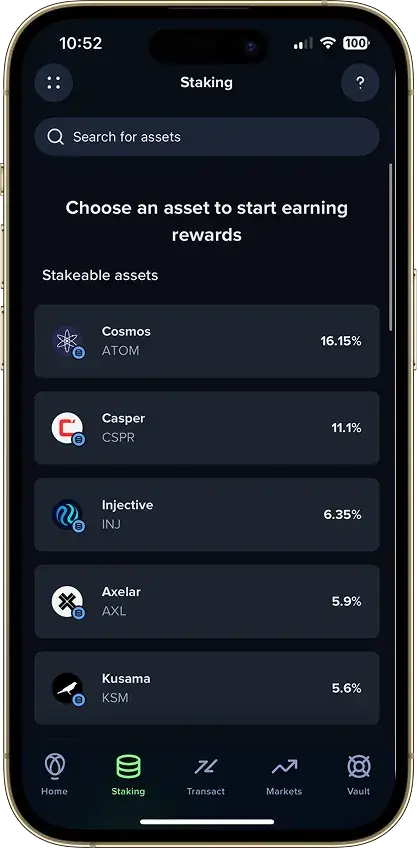
Staking (where permitted)Varies by state and assetStaking access can be a key differentiator for passive yield seekersEligibility can change by state/asset; confirm in‑app access before transferring funds
Security-firstGeminiMore conservative platform positioning and trust-first approachFeature breadth can be narrower; verify which products are enabled in your account
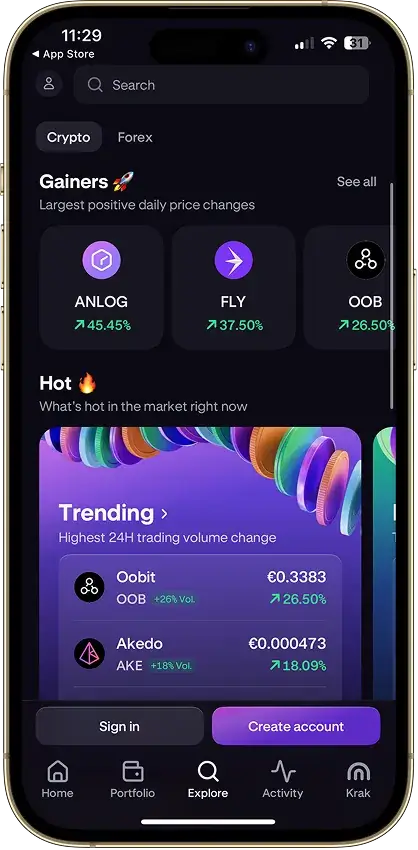
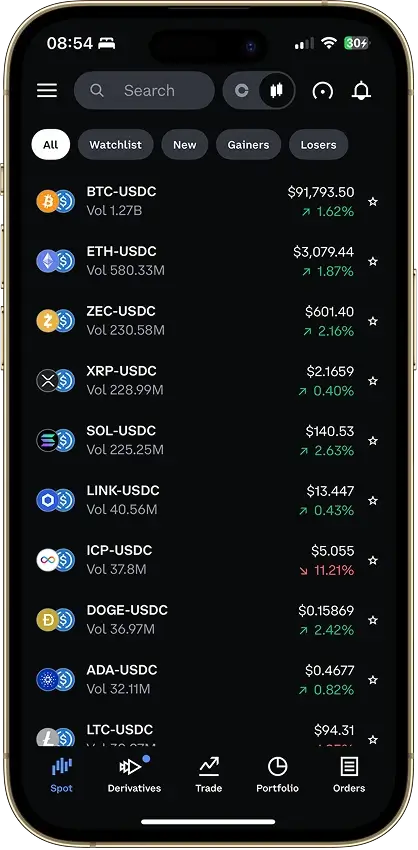
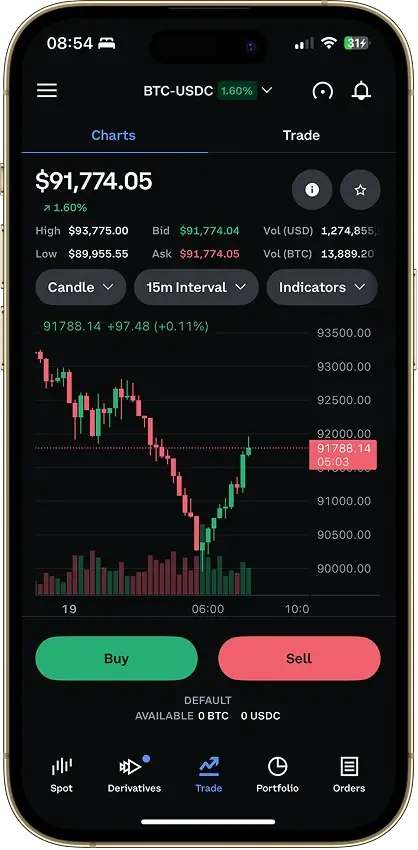
Best mobile appCrypto.comStrong mobile-first ecosystem and broad feature packagingU.S. vs non‑U.S. access differs; some services aren’t available in every state
Large orders / OTC-style executionKraken (or Coinbase for eligible users)OTC-style execution can help reduce slippage on larger tradesMinimums/eligibility vary; availability and rails can differ by state and account type

If you’re deciding between two strong options, focus on what you’ll actually do most: buy-and-hold, active spot trading, app-first convenience, or specific features like staking. In the U.S., the “best” exchange is often the one that’s available in your state, has the bank rails you need, and matches your trading style with predictable pricing and solid security controls.

How We Chose the Best Crypto Exchanges in the USA

This page follows the same criteria used on CryptoSlate’s main /crypto-exchanges/ hub, then applies a U.S. filter (state-by-state access and which features are actually enabled for U.S. residents). We compare exchanges using the CES (Crypto Exchange Score) pillars below.

  • Security & Custody (22%) — Account protections, custody controls, certifications, and how incidents are handled
  • Market Quality & Reliability (18%) — Liquidity, spreads, slippage, uptime, and performance under stress
  • Regulatory Posture (12%) — Licensing posture, entity clarity, legal access, and disclosure standards (with a U.S. state-level lens)
  • Fees & Pricing (12%) — Trading fees, instant-buy spreads, and real costs across rails and withdrawals
  • Proof of Reserves & Transparency (8%) — Asset/liability disclosure, attestations, and user verification tools
  • On/Off‑Ramps & Payments (8%) — Bank rails, card support, and coverage for fiat funding and cash-outs
  • Product Breadth (8%) — Spot, staking, margin/derivatives (where available), cards, and related tools
  • UX & Support (7%) — App quality, ease of use, support responsiveness, and localization
  • API & Pro Tooling (5%) — API coverage, documentation, and advanced trading infrastructure (most relevant for active traders)

We prioritize what changes real outcomes for U.S. users: can you access it in your state, can you move USD in and out reliably, what will you actually pay in your workflow, and what protections/transparency exist if something goes wrong.

Fees and Exchange Rates for U.S. Citizens

When people search for the lowest-fee crypto exchange in the USA (or the “best exchange rates” for U.S. users), what they usually mean is: “How do I avoid paying extra without realizing it?” In practice, your total cost can come from a few different places.

Spread vs Trading Fee (Plain English)

  • Trading fee: a clear percentage (or tier) charged on a trade — common on advanced/order-book interfaces.
  • Spread: the built-in difference between the buy price and sell price you’re shown — common on instant/simple buy flows. You may not see it labeled as a fee, but it still affects what you pay.

Instant Buy vs Advanced Trade

Most exchanges offer two ways to trade:

  • Instant/simple buy: fastest and easiest, but costs can be higher because pricing may include spread and bundled fees.
  • Advanced trade: more controls (limit orders, maker/taker fees) and often cheaper for frequent traders — when it’s available to you in the U.S.

Here’s a quick cheat sheet for where costs tend to hide:

ActionWhere fees show upCommon mistakeBetter approach
Buy crypto with “instant” purchaseSpread + bundled feesAssuming “no fee” means “best price”Compare the quoted price to the live market and consider advanced trade/limit orders when available
Place a market order on advanced tradeTrading fee + slippageUsing market orders on illiquid pairsUse limit orders for better price control, especially on smaller assets
Deposit fundsCard fees, bank fees, or exchange deposit feesFunding by card for convenience every timeUse ACH/wire where available; reserve cards for true “need it now” cases
Withdraw USD to bankWithdrawal fee or bank feeNot checking withdrawal methods and minimumsCompare ACH vs wire options and check fees/limits before you sell
Withdraw crypto to a walletNetwork fees + possible exchange withdrawal feesChoosing the wrong network (or paying peak network fees)Confirm the correct network and consider timing/fee conditions before withdrawing
Trade frequentlyFee tiers + spread differencesStaying on instant buy while trading oftenUse advanced trade (if available) and review fee tiers/volume discounts

If your priority is the cheapest crypto trading fees (not just the simplest UX), prioritize exchanges that give you a clear advanced-trade interface, transparent fee schedules, and good liquidity on the pairs you trade. Then validate what you’ll pay in your real workflow: funding → trade → withdrawal.

Payment Methods and Cashing Out in the USA

For most U.S. users, the real “experience” of a crypto exchange is how smoothly you can move USD in and out. The best platform for you is often the one that supports the funding method you prefer (ACH, wire, or card) with predictable holds, clear fees, and reliable withdrawals.

ACH vs Wire vs Card (What to Expect)

  • ACH: usually the most convenient for regular deposits/withdrawals. Some exchanges apply availability holds (you may be able to trade, but not withdraw immediately).
  • Wire: typically used for larger transfers or faster settlement, but can involve bank fees and stricter verification.
  • Card: often the fastest for small purchases, but tends to be the most expensive and can have tighter limits.

Common Friction Points When Cashing Out

  • Deposit/withdrawal holds: especially after first-time deposits, password changes, or new bank links.
  • Bank-link mismatches: names must match; some banks and card issuers are stricter than others.
  • Method limits: daily/weekly limits can differ by method (ACH vs wire vs card) and by verification level.
  • Network selection: if you withdraw crypto instead of USD, choosing the wrong network can cause delays or loss.

Use the table below to compare rails across the shortlist.

ExchangeACH depositACH withdrawalWireCardNotes
KrakenYes (Plaid ACH)Yes (Plaid ACH)Yes (Fedwire via funding providers)Yes (Visa/Mastercard)ACH deposits can trigger a 7‑day withdrawal hold; card buys can trigger a 72‑hour hold
CoinbaseYesYesYes (domestic + international wire options)Yes (debit; credit varies)Funding/holds can vary by method; confirm your state eligibility for features
GeminiYesYesYesDebit: Yes (buys only)Debit cards can’t withdraw fiat; fiat withdrawals are ACH or wire
Crypto.comYesYesYes (Fedwire on Exchange; other rails vary)Yes (debit/credit)Rails differ between App vs Exchange; some services vary by state
RobinhoodYesYesYesLimited (no direct card buys; instant debit-card cashout supported)Standard ACH transfers are typically free; instant cashouts can carry a fee
BitstampYesYesYesYes (credit/debit; varies by state)ACH withdrawals commonly take 1–2 business days; card purchases are supported in most U.S. states
UpholdYesYesYes (salary/wire deposits)Yes (debit/credit deposits; debit-card withdrawals)ACH funds may be available for trading quickly but can be subject to a settlement period before withdrawal

Practical checklist before you deposit: choose your preferred rail (ACH/wire/card), review holds and limits, and do a small test deposit/withdrawal before moving larger amounts. (State and product eligibility can vary — confirm on the exchange’s official pages.)

Security, Transparency, and Custody for U.S. Crypto Traders

In the U.S., the “best” exchange isn’t only the one with the most coins or the slickest app — it’s the one that helps you avoid account takeovers, makes its custody model understandable, and gives you enough transparency to assess risk.

Use this checklist before you deposit meaningful funds.

Before You Fund an Exchange Account (Security Checklist)

  • Use an authenticator app or a hardware security key for 2FA (avoid SMS 2FA where possible).
  • Turn on withdrawal allowlisting/whitelisting and add the address you’ll actually withdraw to (your wallet or another trusted destination).
  • Enable anti-phishing protections if offered (anti‑phishing code, verified emails, withdrawal confirmations).
  • Use a password manager + unique password and lock down your email account (email compromise is a common failure point).
  • Review device + session security: keep your OS/browser updated, remove unknown extensions, and log out of old sessions/devices.
  • Do a small test round‑trip: deposit a small amount, buy, then withdraw — so you learn holds/limits before moving larger sums.

Transparency Signals (What Actually Matters)

  • Proof of reserves (PoR): can help verify on‑chain assets, but it isn’t a full balance sheet and doesn’t always show liabilities — treat it as one signal, not a guarantee.
  • Independent audits / controls: look for credible third‑party attestations and controls reporting (for example, security/controls reports) rather than marketing claims.
  • Public disclosures: if a platform publishes detailed financial disclosures or operates under stricter reporting requirements, that can improve visibility — still not a substitute for good account security.

Custody Basics: When Self-Custody May Matter

Leaving funds on an exchange is convenient for trading, but it adds counterparty risk (you rely on the platform’s custody, controls, and solvency). A practical rule for many users:

  • Keep only what you need for near‑term trading on the exchange.
  • Move longer‑term holdings to a wallet you control (especially if you’re holding for months, not days).

If you do self-custody, make sure your recovery phrase is backed up securely (offline), and consider a small “test restore” plan so you can recover funds if your phone or computer is lost.

KYC, State Restrictions, and Crypto Taxes in the USA

U.S. crypto exchanges typically have three “friction points” that catch people off guard: identity verification (KYC), state-by-state availability, and tax recordkeeping. None of these should be dealbreakers, but it’s worth understanding what to expect before you move meaningful funds.

What KYC Usually Requires

Most U.S.-available platforms will ask for some combination of:

  • Government ID (driver’s license, passport, or state ID)
  • Selfie / liveness check (to confirm you’re the person on the ID)
  • Personal details (legal name, DOB, address, SSN/ITIN in many cases)
  • Sometimes proof of address or additional verification for higher limits

If your main priority is speed, do verification early — funding rails and withdrawal limits often depend on it.

Why State Restrictions Exist (and How They Show Up)

Unlike many countries with a single national license, U.S. access can differ by state and by product. Exchanges may restrict certain states entirely or limit specific features (like staking or margin/derivatives) depending on licensing posture, product classification, and local requirements. Practically, that means:

  • An exchange might be “available” in the U.S. but not available in your state.
  • You may be able to trade spot, but staking or derivatives are disabled.
  • Funding rails (ACH/wire/card) can also vary by region or account type.

Always check the exchange’s official “supported states” / “availability” page before depositing.

Crypto Taxes and Recordkeeping (What to Do in Practice)

U.S. taxpayers generally need good records for crypto transactions (even if they don’t receive a tax form). The easiest way to stay organized:

  • Export your full transaction history from the exchange(s) you use (trades, deposits, withdrawals, fees).
  • Keep notes for wallet-to-wallet transfers so they aren’t accidentally treated as sales in a tax tool.
  • Track cost basis and realized gains/losses if you trade frequently.
  • Don’t rely on a single summary screen — keep your own copy of exports.

This isn’t tax advice, but as a rule: if you trade across multiple exchanges and wallets, recordkeeping gets harder fast — so it’s worth setting up a simple workflow early.

Futures, Leverage, Margin, Options, P2P, and No‑KYC in the USA — What U.S. Traders Should Know

In the U.S., this cluster of features is where marketing claims often diverge from reality. Spot buying and selling is widely available, but leverage and derivatives access (including options) is much more limited and can depend on the platform’s U.S. entity, your state, and your account type/eligibility.

Why Leverage, Futures, and Margin Are Limited in the U.S.

  • Regulatory classification: many perpetual/futures-style products are treated differently than spot trading, and platforms may restrict access to stay within U.S. rules.
  • Entity + state differences: the same brand can operate different entities or product lines; what’s available internationally is not necessarily available to U.S. residents.
  • Eligibility gates: even when margin/derivatives exist, they may be limited to certain user categories or require additional approvals.

No‑KYC and “P2P” in the U.S.: Higher Risk by Default

Searches like “no kyc crypto exchange usa” and “p2p crypto trading us” are common, but in practice these routes are higher risk. Most U.S.-available centralized exchanges require KYC. “No‑KYC” custodial platforms that accept U.S. users are often offshore, unstable, or operating in legal gray areas — meaning access can change quickly, and users can face account freezes, blocked withdrawals, or outright scams. P2P trading can also introduce payment reversals, fraud, and counterparty disputes.

Safer Alternatives for Most U.S. Users

  • Use spot trading with limit orders instead of leverage if your goal is better entries/exits.
  • Keep clear risk rules (position sizing, max loss per trade) and avoid “all-in” behavior.
  • If you truly need derivatives exposure, consider regulated, U.S.-accessible venues/products where available to you — and confirm eligibility before funding.

If you’re unsure, default to spot + strong security controls + self-custody for long-term holdings. That combination solves most real-world goals with far fewer failure modes.

Best Crypto Trading Apps in the USA (2026)

For many U.S. users, the “best” exchange is the one you can comfortably use from your phone: clear funding, reliable order placement, and account protections you’ll actually turn on. The table below focuses on the mobile experience — not just what an exchange offers on desktop.

AppBest forFunding clarityOrder typesCaveat
CoinbaseBroad access + simple on/off‑rampHighInstant buy/sell; advanced trading where availablePricing can differ by interface; features/assets can vary by state
KrakenActive trading from mobileHighAdvanced trading tools where available (incl. limit orders)Product access (staking, margin/derivatives) can be state/eligibility dependent
Crypto.comApp-first ecosystemMedium–HighInstant trading; additional features varyU.S. vs non‑U.S. access differs; some services vary by state
RobinhoodBrokerage-style simplicityHighStreamlined buy/sell; fewer exchange-style controlsFewer advanced order/trading controls than dedicated exchanges
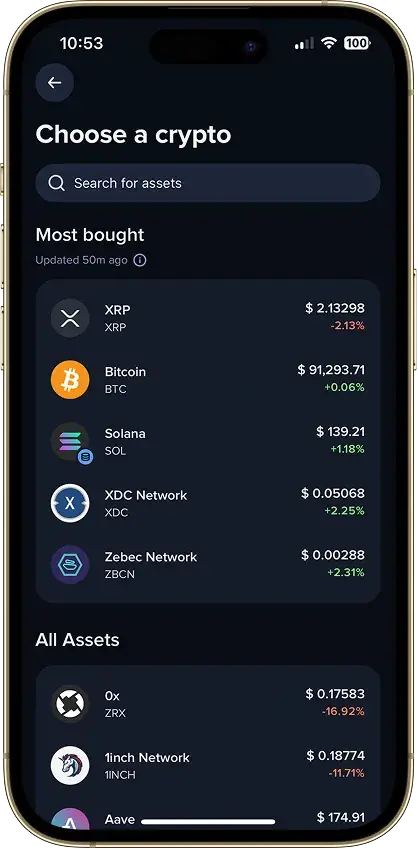
GeminiSecurity-first experienceMedium–HighSpot trading + advanced features where enabledFeature breadth can be narrower; confirm what’s enabled in your account
BitstampStraightforward spot-first appMediumCore spot trading featuresProduct suite is more limited than app ecosystems; rails/features can vary
UpholdQuick conversions and multi-asset exposureMediumConversion-style tradingState availability can be restricted; cost structure can be less ideal for frequent trading

If you’re choosing between two apps, prioritize (1) the funding method you’ll actually use (ACH/wire/card), (2) whether you need advanced order tools, and (3) the security controls you can enable (2FA, withdrawal allowlisting, anti‑phishing). Then do a small test deposit and withdrawal so you learn holds and limits before scaling up.

How to Buy Crypto in the USA — Step by Step

Buying crypto in the U.S. is straightforward once you line up two things: (1) eligibility in your state and (2) a clean USD funding path (usually ACH, sometimes wire or card). Use the steps below as a practical workflow.

  1. Choose a U.S.-available exchange (confirm your state + product access)
    • Confirm you can use the platform in your state, and check whether the specific feature you want (spot, staking, margin/derivatives) is enabled.
  2. Create your account and complete verification early (KYC)
    • Verification often unlocks higher limits and smoother withdrawals. Doing it upfront prevents surprises after you deposit.
  3. Secure the account before you fund it
    • Turn on strong 2FA (authenticator app or hardware key), review security notifications, and enable withdrawal allowlisting if available.
  4. Fund your account (ACH/wire/card) and understand holds
    • ACH is usually the lowest-friction option, but some exchanges apply availability/withdrawal holds — especially for new accounts.
  5. Place your buy and choose custody
    • Compare instant/simple buy versus advanced trade (where available) for pricing.
    • If you’re holding long-term, consider withdrawing to a wallet you control; keep only what you need for near-term trading on the exchange.

How to Sell Crypto and Cash Out in the USA — Step by Step

Cashing out is mostly about timing and rails: understand any holds, sell into USD cleanly, then withdraw via the method your bank supports.

  1. Check for withdrawal holds and limits
    • New deposits, first-time bank links, and security changes can trigger holds. Confirm your limits before you sell.
  2. Sell into USD (and choose how you sell)
    • Market sells are faster; limit sells can reduce slippage and give you price control — especially on less liquid assets.
  3. Choose a cash-out method (ACH or wire)
    • ACH is the common default; wire can be better for larger transfers or specific timing needs (fees may apply).
  4. Confirm settlement time and bank processing
    • Exchange processing + bank processing can take time. Plan for business days and cutoffs.
  5. Save records for taxes and accounting
    • Export your full transaction history (trades, deposits, withdrawals, fees). If you use multiple wallets/exchanges, keep notes so transfers aren’t misclassified.

Pros and Cons of Using a U.S.-Available Centralized Crypto Exchange

For most U.S. users, a centralized exchange is the default way to move between USD and crypto. The biggest upside is convenience: bank rails, liquidity, and a single place to buy, sell, and track activity. The trade-off is that you’re relying on a third party for custody and access, and U.S. availability can be fragmented by state and product line. If you’re deciding whether to use a centralized exchange (or which one to prioritize), it helps to think in terms of your actual workflow: how you fund (ACH/wire/card), how often you trade, whether you need advanced order tools, and how you plan to store longer‑term holdings.

Pros

  • Easier USD rails: ACH/wire support makes funding and cashing out more straightforward than most alternatives.
  • Liquidity + order execution: typically better price discovery and smoother execution on major pairs.
  • Convenience + support: account recovery and customer support can be a real advantage versus self-custody-only workflows.
  • Recordkeeping: transaction history exports and integrations can simplify tracking across buys, sells, fees, and withdrawals.
  • Security tooling (when enabled): 2FA, withdrawal allowlisting, device/session controls, and monitoring can reduce account-takeover risk.

Cons

  • KYC + data exposure: identity checks are standard, and you’re sharing more personal information with a third party.
  • State + product fragmentation: access can differ by state, and features like staking or derivatives may be disabled depending on eligibility.
  • Higher “simple buy” costs: instant buy/sell flows can embed spread or bundled fees that aren’t obvious at first glance.
  • Custody/counterparty risk: you rely on the platform’s custody, controls, and solvency; withdrawals can be delayed by holds or compliance reviews.
  • Limited leverage/derivatives for many users: even when a platform markets advanced products, U.S. retail access is often constrained.

A practical way to use centralized exchanges in the U.S. is to treat them as on/off‑ramps and trading venues, not long-term vaults. Keep only what you need for near‑term trading on the exchange, withdraw longer‑term holdings to a wallet you control, and prefer advanced trade + limit orders when you care about costs. Before committing to one platform, confirm your state eligibility, your preferred funding rail, and the fees you’ll actually pay in your real workflow (deposit → trade → withdraw).

FAQ

What crypto exchanges are available in the U.S.?

Most major platforms offer U.S. access for spot trading, but availability can still be state-dependent and feature-dependent (staking, margin/derivatives, rewards). Start with exchanges that clearly support USD rails (ACH/wire/card), then confirm your state on the exchange’s official availability page before depositing.

Which crypto exchanges are legal in the USA?

There isn’t one single “official list” for all states. In practice, an exchange is a realistic option for you if it accepts customers in your state and enables the specific product you want under its U.S. entity. Always verify state support and product eligibility directly with the platform.

What is the best crypto exchange in the USA?

There isn’t one best choice for everyone. The best exchange is usually the one that’s available in your state, supports the USD funding method you prefer, and matches your needs (buy-and-hold vs active trading) with predictable pricing and strong security controls.

What are the top crypto exchanges in the USA in 2026?

For U.S. residents, top picks typically include a mix of broad-access venues and trader-focused platforms, with differences driven by state coverage, fees, and product access. Use the “Top picks” section and comparison table above to shortlist options, then confirm eligibility for your state and account type.

Which U.S. crypto exchanges have the lowest fees?

“Lowest fees” usually means the lowest realized cost (spread + explicit fees + funding/withdrawal friction). Instant/simple buy can be more expensive than advanced trading where available, so compare both interfaces and look at fee schedules, spreads, and withdrawal costs for your typical workflow.

Can U.S. residents trade crypto futures or use leverage?

Sometimes — but access is often limited and eligibility-dependent in the U.S. Availability can vary by state, entity, and customer category, and many platforms restrict derivatives or margin for U.S. retail users. Treat any “yes” as “yes, where eligible,” and confirm before funding.

Do U.S. crypto exchanges require KYC?

Most U.S.-available centralized exchanges require identity verification (KYC). Requirements typically include government ID, a selfie/liveness check, and personal details, and higher limits often require completing verification.

What’s the easiest way to buy crypto in the USA?

For most users, the easiest path is an exchange that supports ACH funding and has a simple buy flow. If you care about cost, compare the instant buy quote with advanced trade/limit orders where available — then do a small test deposit and withdrawal to learn holds and limits.

How do I cash out crypto to my bank in the USA?

Sell into USD on the platform, then withdraw via ACH (common default) or wire (often better for larger transfers). Before you sell, check withdrawal holds, limits, and processing times, and make sure the bank account name matches your exchange profile.

Do I have to pay taxes on crypto trading in the USA?

This isn’t tax advice, but U.S. taxpayers generally need records for crypto activity, and trades can create taxable events. Export your full transaction history (trades, fees, deposits/withdrawals) and keep notes for wallet transfers so they aren’t misclassified in tax software.